

Home Health Care Services
Physical Therapy
-
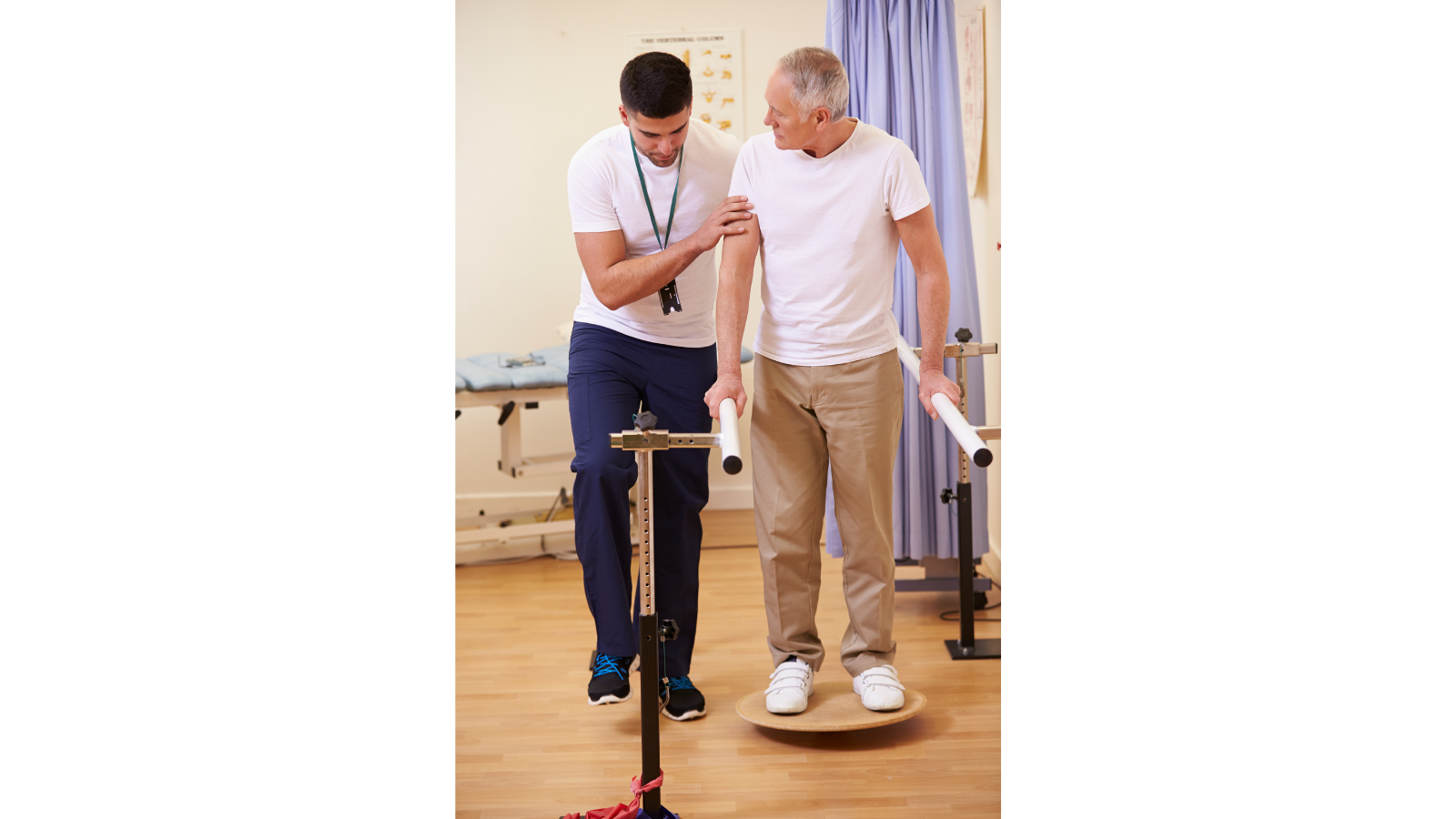
Physical therapy (PT) is a healthcare service that helps people restore movement, reduce pain, and improve physical function through targeted exercises, hands-on treatment, and education.
-
Mobility & Movement
Walking (gait training)
Standing, balance, and coordination
Flexibility and range of motion
Strength & Conditioning
Muscle strengthening exercises
Core stability training
Endurance improvement
Injury & Post-Surgical Rehab
Joint replacements (hip, knee, shoulder)
Sports injuries and fractures
Recovery after hospitalization
Pain Management
Back, neck, and joint pain
Manual therapy (hands-on treatment)
Modalities like heat, ice, or electrical stimulation
-
Physical therapy is commonly recommended for:
Back and neck pain
Stroke recovery
Arthritis and chronic conditions
Sports injuries
Post-surgical rehabilitation
-
A licensed physical therapist:
Evaluates your movement, strength, and pain levels
Creates a personalized treatment plan
Guides you through therapeutic exercises
Performs manual therapy techniques
Teaches injury prevention and safe movement
-
Services are usually provided 2–3 times per week, depending on need.
Often covered by insurance if medically necessary and prescribed by a doctor.
Focus is on helping you become as independent and safe as possible at home.
Occupational Therapy
-
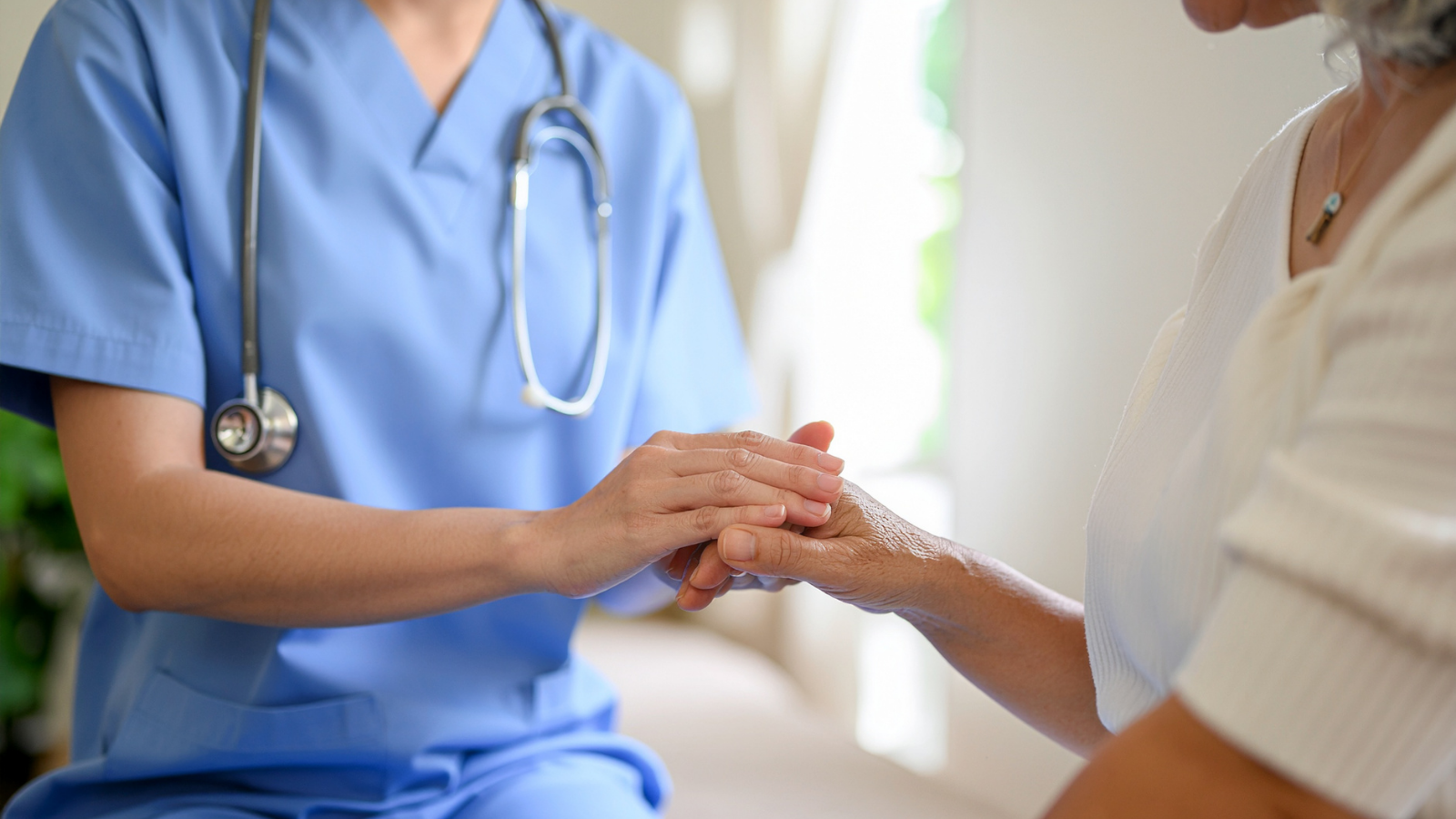
Occupational therapy (OT) is a healthcare service that helps people of all ages develop, recover, or maintain the skills needed for daily living and meaningful activities (“occupations”). These activities can include self-care, work, school, and leisure tasks.
-
Activities of Daily Living (ADLs)
Bathing, dressing, grooming
Eating and feeding
Toileting and hygiene
Instrumental Activities (IADLs)
Cooking and meal prep
Managing medications
Driving or community mobility
Physical Rehabilitation
Strength and coordination
Fine motor skills (hand and finger use)
Recovery after surgery or injury
Cognitive & Mental Health Support
Memory and problem-solving
Attention and organization
Coping strategies for anxiety or depression
-
Occupational therapy is commonly used for:
Stroke recovery
Arthritis and chronic pain
Developmental delays in children
Disabilities or injuries
Aging-related functional decline
-
A licensed occupational therapist:
Evaluates your physical, cognitive, and emotional abilities
Creates a personalized therapy plan
Uses exercises and adaptive techniques
Recommends assistive devices (grab bars, adaptive utensils)
Modifies your home or work environment for safety
Skilled Nursing
-
Skilled nursing is a level of medical care provided by licensed nurses (RNs or LPNs) under the supervision of a physician. It involves clinical, medically necessary services that require professional training—typically delivered in a patient’s home, a skilled nursing facility, or a rehabilitation center.
-
Medical Treatments & Procedures
Wound care and dressing changes
Injections (e.g., insulin, antibiotics)
IV therapy and infusion care
Medication Management
Medication administration
Monitoring side effects and effectiveness
Patient education on prescriptions
Health Monitoring
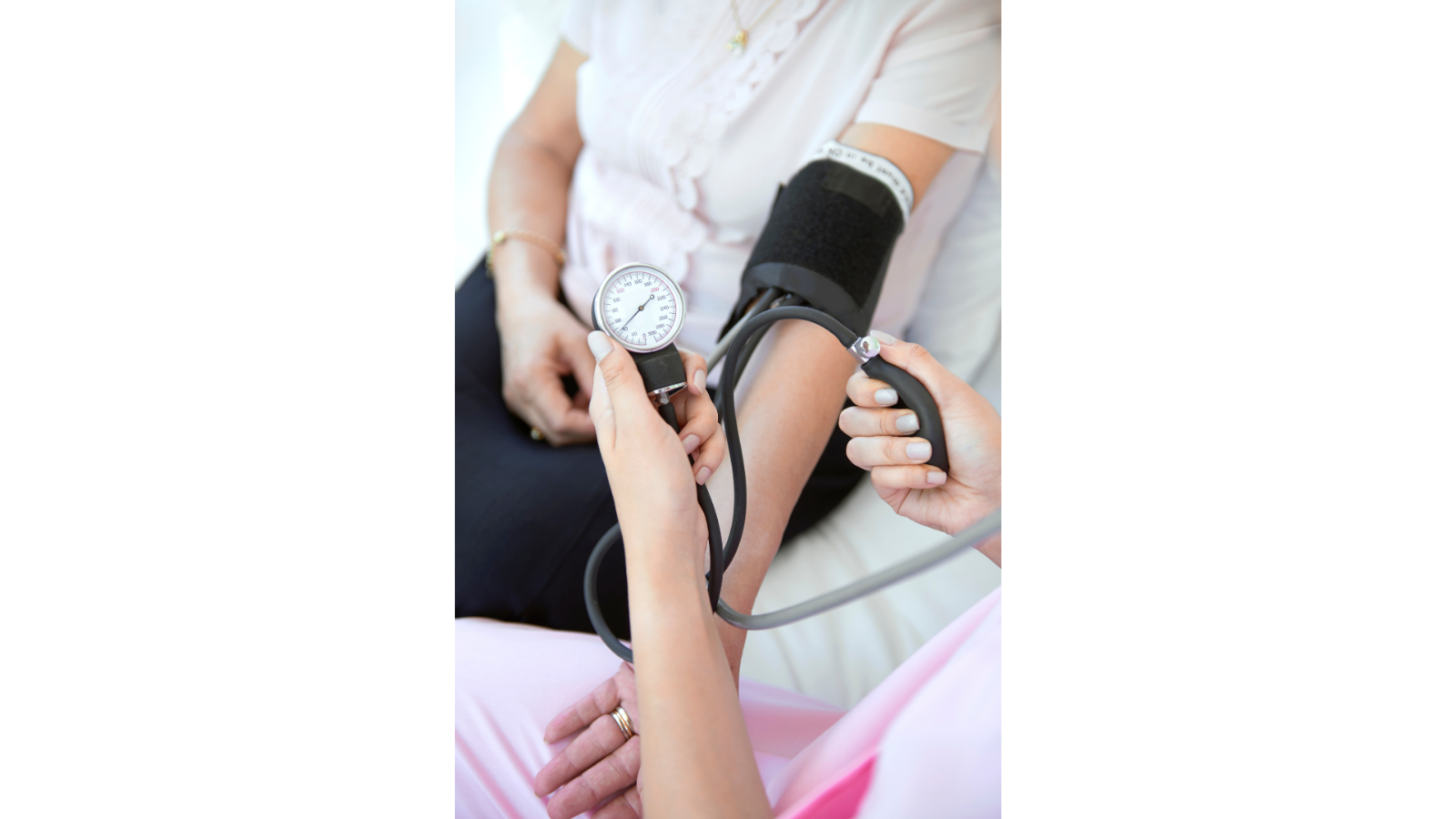
Vital signs (blood pressure, heart rate, oxygen levels)
Chronic disease monitoring (diabetes, heart disease)
Post-hospitalization follow-up
Specialized Care
Catheter care
Feeding tube management
Ostomy care
-
A skilled nurse:
Assesses patient health status
Develops and follows a physician-directed care plan
Performs clinical procedures safely
Coordinates with doctors and therapists
Educates patients and caregivers
-
Wound care involves cleaning, dressing, and monitoring wounds (surgical wounds, pressure ulcers, diabetic ulcers) to prevent infection and promote healing. Skilled nurses use advanced techniques and sterile procedures.
-
IV therapy delivers fluids, medications, or nutrients directly into the bloodstream through an intravenous line for fast and effective treatment.
-
Catheter care includes insertion, cleaning, and monitoring of urinary catheters to prevent infection and ensure proper bladder function.
-
Tube feeding (enteral nutrition) provides nutrients through a feeding tube when patients cannot eat normally. Nurses ensure proper nutrition delivery and tube safety.
-
Tracheostomy care involves cleaning and maintaining a trach tube to help patients breathe. Skilled nurses manage airway safety and infection prevention.
-
A wound VAC uses negative pressure to remove fluid and promote faster healing in complex wounds. Nurses monitor and maintain the device.
-
A PICC line (Peripherally Inserted Central Catheter) is used for long-term IV treatments. Skilled nurses provide cleaning, flushing, and infection prevention.
-
Infusion therapy involves administering medications (antibiotics, chemotherapy, hydration) through IV or injections under close clinical supervision.